Darwin With Kids: Is It Safe for a Family Holiday in 2026? That’s the exact question I get every school year when families start juggling travel plans around Term 1, winter escapes, or the long summer break. The short answer is yes — Darwin is safe for a family holiday — but only if you understand how the Top End works and travel with your eyes open.
I’m Paul Beames, founder of Get Lost Travel Group, and I’ve spent years running families through the Northern Territory on the ground, not from behind a desk. Darwin isn’t dangerous, but it is different. This is croc country. It’s hot. Roads flood. Waterholes close. Respect those realities, and Darwin becomes one of the most rewarding, educational, and memorable family trips in Australia. Ignore them, and the Territory will give you a very quick reminder.
Contents
- 1 The Honest Safety Question Parents Are Really Asking
- 2 Why This City Works So Well For Families
- 3 Context Beats Headlines
- 4 Crocodiles: The Rule You Cannot Bend
- 5 Where Kids Can Swim Without Parents Stressing
- 6 When To Visit For The Best Family Experience
- 7 Kakadu National Park With Kids: Yes, If You’re Smart
- 8 Litchfield National Park: The Easy Win
- 9 Wildlife Experiences Kids Actually Remember
- 10 Boats, Wharves, And Easy Harbour Days
- 11 Health Care And Backup Plans
- 12 Packing For Darwin: Less Style, More Sense
- 13 Is Darwin Worth It For Families?
- 14 Final Take From The Track
- 15 FAQ
The Honest Safety Question Parents Are Really Asking
When parents ask whether Darwin is safe, they’re rarely talking about one thing. It’s usually a bundle of worries — crime, saltwater crocodiles, extreme heat, and whether kids will be bored or overwhelmed.
The reality is this: Darwin’s biggest risks are environmental, not social. Families spending time around the Darwin Waterfront, the Waterfront Precinct, or places like George Brown Darwin Botanic Gardens generally feel relaxed and comfortable during the day. The issues start when visitors treat Darwin like a southern beach city instead of the tropical capital of the Top End.
I’ve lost count of how many times I’ve said, “This isn’t Bondi — read the signs.”
Why This City Works So Well For Families
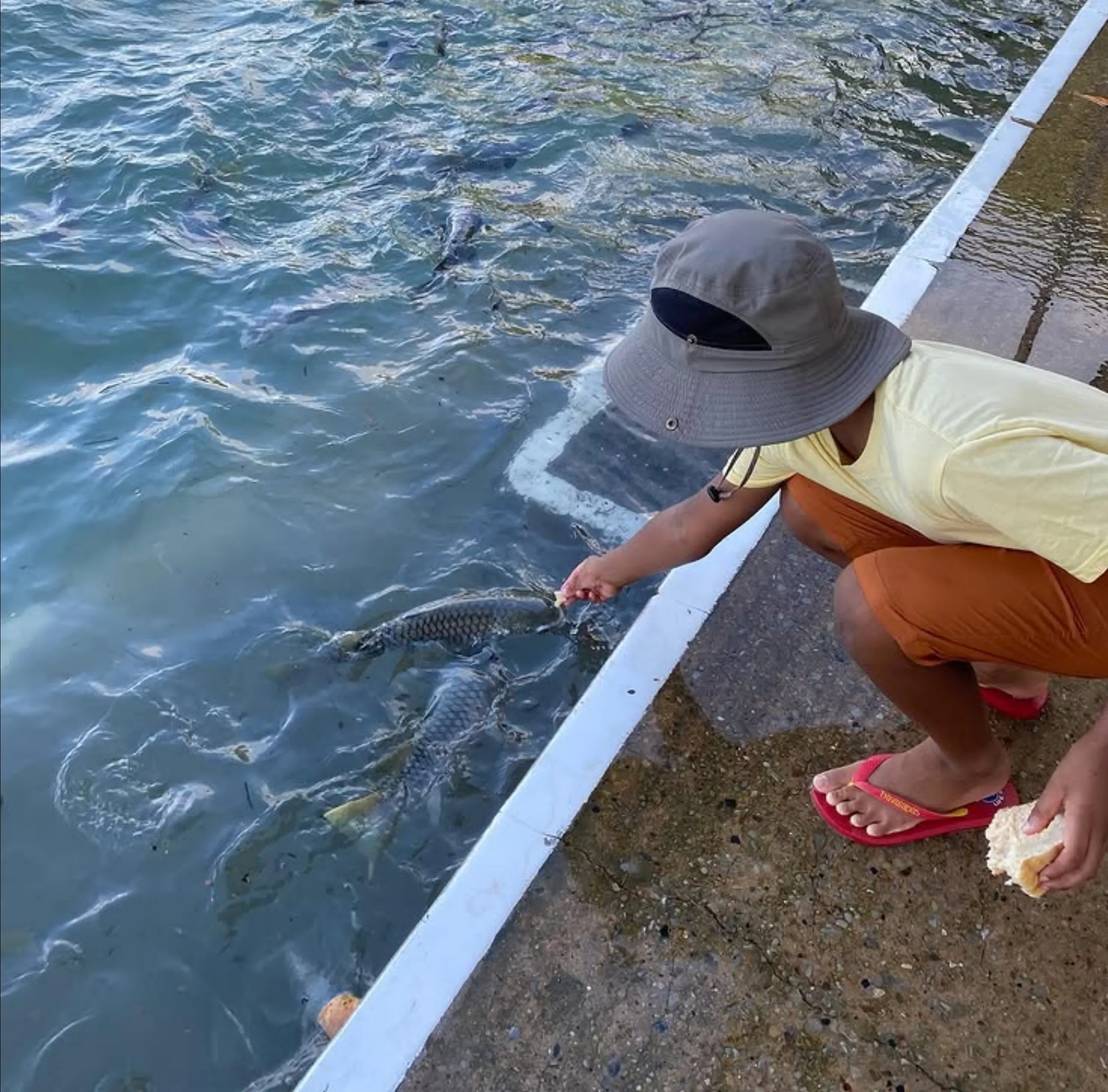
Darwin is small, flat, and refreshingly uncomplicated. That’s gold when you’re travelling with kids. You’re never far from accommodation, food, toilets, or medical care, which keeps days manageable even when the heat kicks in.
Family-friendly activities sit close together: the Wave Lagoon at the Darwin Waterfront, Crocosaurus Cove in the CBD, Stokes Hill Wharf for an easy dinner, and Mindil Beach for sunset markets. You can mix big days with low-effort afternoons, which matters more than most parents realise.
It’s also a city where kids learn fast. Wildlife isn’t theoretical here. Neither is weather.
Context Beats Headlines
Darwin often gets painted with a rough brush, but context matters. According to Australian Bureau of Statistics data and Northern Territory Police summaries (latest consolidated figures available to 2024), most incidents involve locals, alcohol, and late-night situations away from tourist precincts.
For families, the experience is very different. Daytime activity around the Darwin Waterfront, Mindil Beach, museums, and wildlife parks is calm and well-policed. Standard city common sense applies: don’t wander unfamiliar suburbs late at night, use taxis after dinner, and stick to well-lit areas.
That advice holds whether you’re in Darwin, Alice Springs, or Melbourne.
Crocodiles: The Rule You Cannot Bend
Let’s get this straight. The saltwater crocodile is the single biggest safety factor families need to understand. Saltwater crocs live in rivers, estuaries, beaches, creeks, and sometimes in places that look harmless.
Seeing crocs safely is easy. Ignoring the rules is what causes problems.
Families regularly see crocodiles at Crocosaurus Cove, Crocodylus Park, and on a guided crocodile cruise. These experiences — many run by operators like Wildlife Tours — are controlled, educational, and excellent for kids. A casual Darwin tour through the CBD can include croc encounters without any risk at all.
What you must never do is assume a place is safe because it looks inviting. Beaches are not swimming beaches. Rivers are not for cooling off. Signs exist for a reason, and Parks Australia does not put them up for decoration.
Where Kids Can Swim Without Parents Stressing
Darwin does swimming well — if you choose the right spots.
In town, the Wave Lagoon at the Darwin Waterfront is a standout. It’s croc-free, lifeguarded, and purpose-built for families. The Waterfront Precinct is designed so kids can burn energy while parents relax, which is no small feat in the heat.
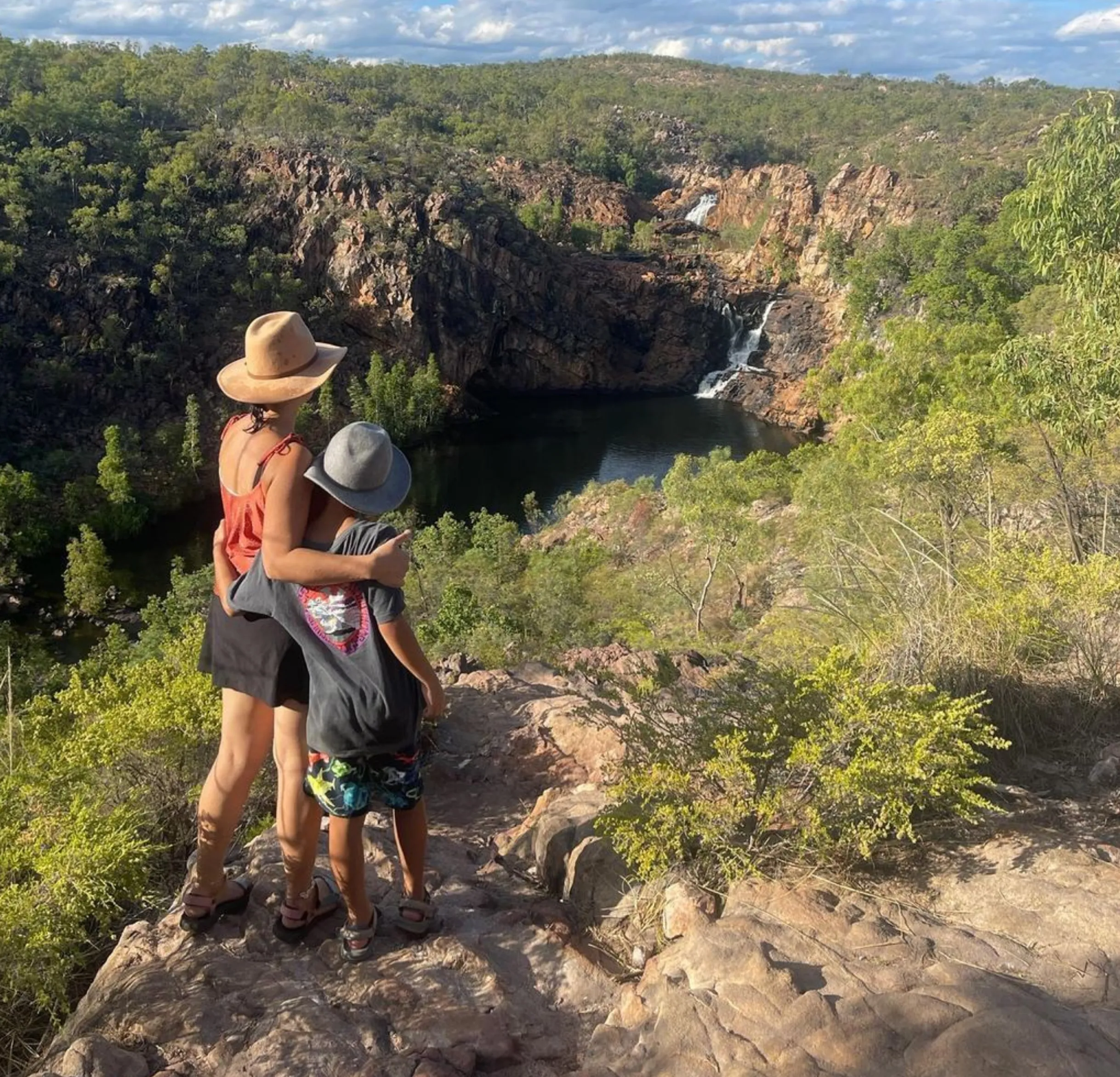
Outside town, Litchfield National Park is the family favourite. Florence Falls, Buley Rockhole, Wangi Falls, and Tolmer Falls offer designated swimming areas with clear access rules. Berry Springs Nature Park is another solid option when it’s open.
These places close seasonally. When they’re shut, they’re shut. No debate, no shortcuts.
When To Visit For The Best Family Experience
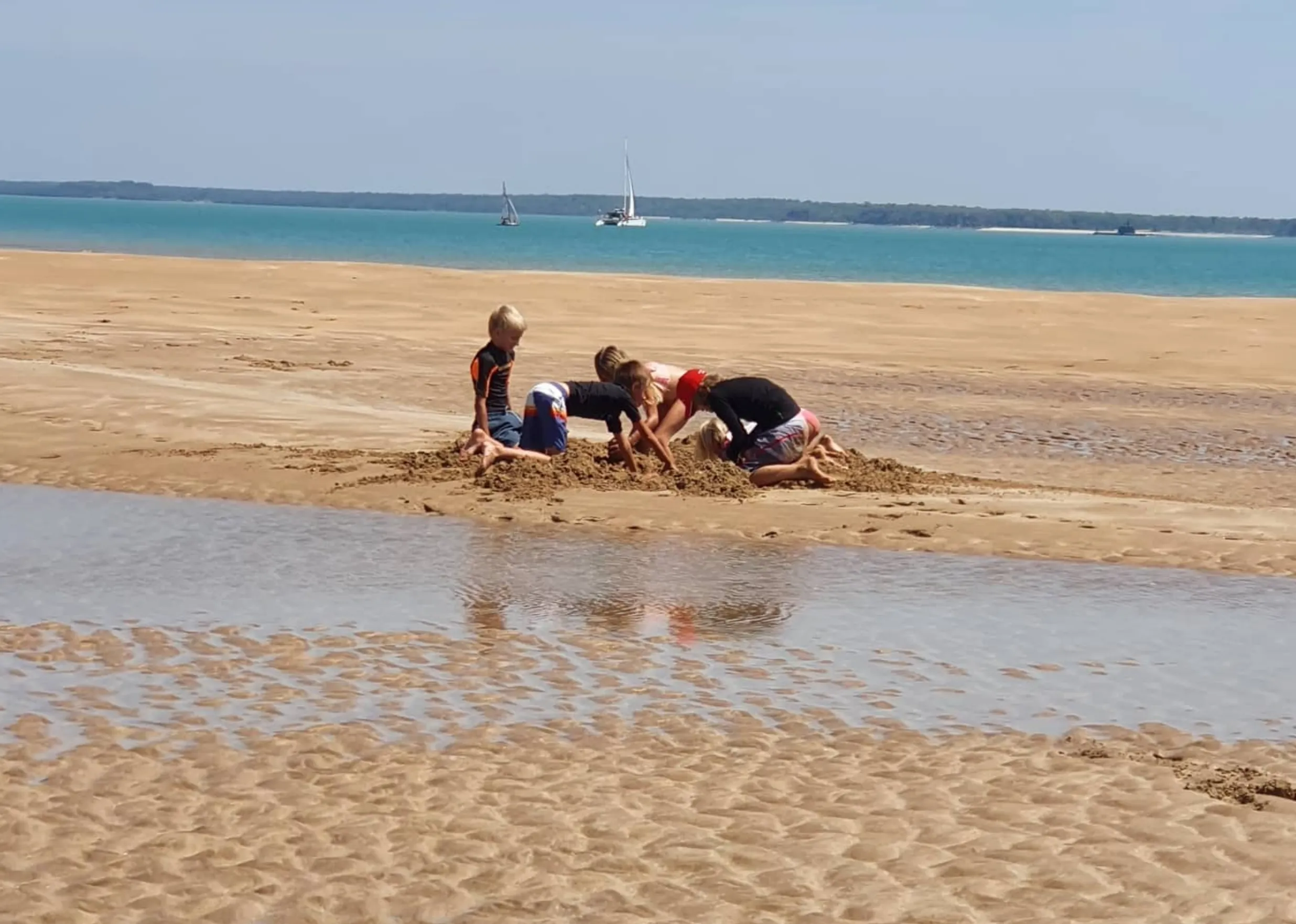
Timing can make or break a Darwin holiday.
The Dry Season (May to September) is prime time for families. Humidity drops, nights cool off, roads reopen, and national parks are fully accessible. This is when Kakadu and Litchfield National Parks shine. School holidays fill up fast, especially mid-year, so book early.
The Wet Season (October to April) is a different beast. Darwin December is steamy, dramatic, and unpredictable. Cyclone risk exists, some parks close, and plans can change overnight. That said, families who stay mostly in town and keep expectations flexible often enjoy the quieter pace and lower prices. A well-planned Darwin tour during the Wet can still work, but it’s not beginner territory.
Kakadu National Park With Kids: Yes, If You’re Smart
Kakadu National Park is massive, and that’s where some families go wrong. You don’t do Kakadu by ticking boxes.
With kids, focus on highlights: the Ubirr Rock Art Site for short walks and big cultural stories, a crocodile cruise near Cooinda Lodge, and guided experiences that explain Aboriginal Dreamtime and Country rather than racing between lookouts.
Staying near Cooinda Lodge reduces drive times and fatigue. This is not a park for daily commutes from Darwin with young kids.
Litchfield National Park: The Easy Win
If Kakadu feels too big, Litchfield National Park is your answer. It’s closer to Darwin, easier to navigate, and more family-friendly.
Florence Falls and Buley Rockhole are crowd-pleasers, while Tolmer Falls adds drama without exhausting little legs. This is where many families get their first real taste of the Northern Territory outdoors — and usually ask why they didn’t come sooner.
Wildlife Experiences Kids Actually Remember
Darwin does wildlife properly. Not cages and concrete, but education and respect.
Territory Wildlife Park offers wide open spaces and native species in natural settings. Crocosaurus Cove puts crocodiles front and centre, including crocodile feeding sessions that kids talk about for years. Crocodylus Park combines crocs with a petting zoo feel that suits younger children.
Many families fold these stops into a casual Darwin tour rather than treating them as full-day missions, which keeps energy levels sane.
Boats, Wharves, And Easy Harbour Days
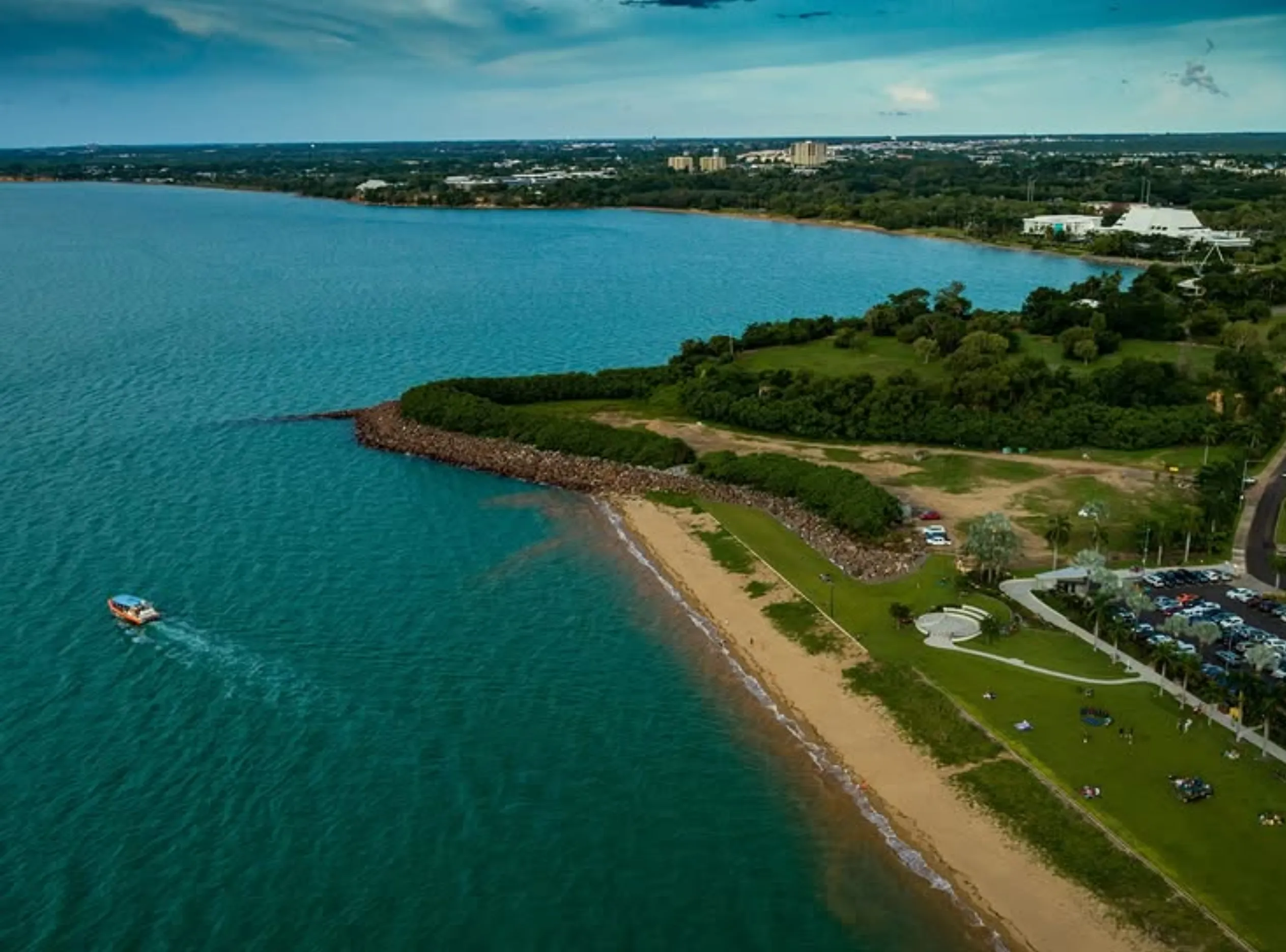
Darwin Harbour is tailor-made for relaxed family days. Stokes Hill Wharf is an easy dinner option with space for kids to move.
Darwin Adventure Boats tour operators run short, sharp experiences that don’t drag on. Barramundi Adventures offers hands-on learning for older kids without requiring fishing licences or advanced skills.
These harbour-based activities avoid long drives and keep days cooler, which is half the battle in the Top End.
Health Care And Backup Plans
Darwin is well-equipped medically. Royal Darwin Hospital is modern and capable, clinics are accessible, and pharmacies are easy to find. Australian families are covered by Medicare. International families must have travel insurance — evacuation from remote areas is expensive and not hypothetical.
This is another reason structured experiences with operators like Wildlife Tours work well. They build contingency into the plan.
Packing For Darwin: Less Style, More Sense
Darwin rewards practical packing. Reef shoes, rashies, hats, and strong insect repellent matter more than outfits. Refillable drink bottles are non-negotiable. Lightweight rain jackets are useful even in the Dry.
This isn’t a place to wing it.
Is Darwin Worth It For Families?
If you want predictability, climate control, and theme parks, Darwin will feel rough around the edges. But if you want interactive adventures, wildlife encounters, cultural learning, and kids who come home asking better questions, Darwin delivers.
It’s not polished. It’s real. And that’s exactly why families remember it.
Final Take From The Track
Darwin is safe for families in 2026 when you respect the Northern Territory for what it is — tropical, wild, and proudly unapologetic. Travel the Top End way, plan around the seasons, listen to local advice, and choose experiences that match your kids’ energy levels.
Whether you’re lining up a short weekend escape, navigating school holidays, or building a longer family itinerary with help from Wildlife Tours or a guided Darwin tour, Darwin rewards preparation more than hype.
FAQ
Is Darwin safe for kids during school holidays?
Yes. Areas like the Darwin Waterfront, Mindil Beach, and major attractions are busy, well-managed, and family-friendly during school holidays.
Are crocodile experiences safe for children?
Yes, when done through licensed operators. Places like Crocosaurus Cove and guided crocodile cruise experiences follow strict safety standards.
Can young kids enjoy Kakadu National Park?
They can, if you focus on accessible areas like the Ubirr Rock Art Site and guided cruises near Cooinda Lodge rather than long hikes.
Is Litchfield National Park better for families than Kakadu?
For shorter trips, often yes. Litchfield is closer to Darwin, easier to navigate, and has more swim-friendly spots.
Do families really need a car in Darwin?
Strongly recommended. A hire car makes managing heat, distances, and flexible travel plans far easier.